Fenland Village Halls: What's On and How to Book
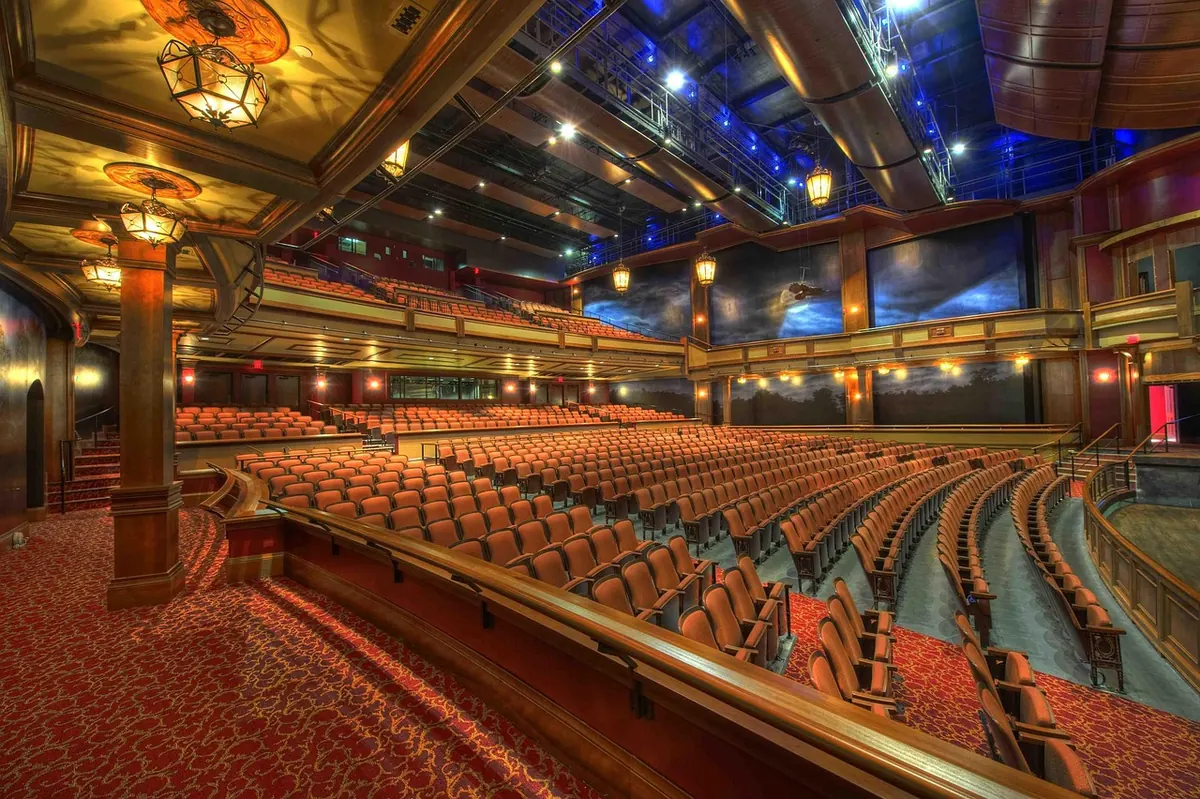
Every Fenland village has one: a stubborn front door, a kitchen that smells of tea and floor polish, a noticeboard by the gate with a jumble sale poster curling at the corner, and a stack of chairs that has outlasted three committees. The village hall is where the parish actually happens — the quiz, the toddler group, the polling station, the wake, the Christmas fair, the keep-fit class on a Tuesday.
It is also, almost always, the cheapest and most flexible space for miles. Here is how to use one well, and how to book it without a fortnight of phone calls.
Halls are far less precious about their rooms than most venues. The same floor that holds a wedding reception on Saturday might have a playgroup on it on Monday morning and a blood donation session on Wednesday. A typical year's bookings look something like this:
That variety is the point. If your idea needs a kettle, a hard floor, a plug socket and room for thirty people, a hall will take it. If it needs a proper bar, a raised stage or a kitchen built for commercial catering, ask before you plan anything else.
Most village halls are registered charities run by a volunteer committee of trustees — a few parish councillors, some long-standing residents, a retired accountant, and whoever agreed to be secretary at the last AGM. One person usually handles bookings, with an email address or mobile number listed on the noticeboard or the parish council website.
Two things follow from that. Replies can take a few days, because volunteers have jobs. And decisions can be quick when the committee already knows you, which is one good reason to turn up to a coffee morning before you need a favour.
When you enquire, put everything in one message: the date, start and finish times including setup and clearing away, what the event is, roughly how many people, whether you need the kitchen, and whether there will be music or alcohol. That single paragraph saves a week of back-and-forth.
Assume you get the main room, tables and chairs, a kitchen with a sink, kettle, urn and fridge, toilets, some parking, and heating on a timer. Then ask specifically about the rest.
Rates vary enormously between villages, and a figure on a website may be years out of date, so always confirm. What tends to be consistent is the shape of it: an hourly rate with a minimum booking, a higher rate for weekend evenings and a lower one for weekday daytime, a discount for residents, regular hirers and registered charities, plus a refundable deposit against damage or extra cleaning.
A few things catch people out. Selling alcohol may require the hall to have a premises licence that covers your event, or you may need a Temporary Event Notice from the district council. Recorded and live music can need a music licence — ask who holds one and whether it applies to your booking. Selling food to the public brings food safety requirements, though a one-off cake stall is usually simpler than a catering operation. Anything involving children or vulnerable adults may prompt the committee to ask about your safeguarding arrangements.
These are general pointers rather than legal advice. The committee and your local council are the people to confirm the details with, and it is worth doing that before you advertise the event.
The reliable places to look are the parish noticeboard, the free village newsletter, the parish council website, the church and chapel notice sheets, the counter at the shop or post office, and the local paper's what's-on column. Village Facebook groups do a lot of the work too.
If you are the one promoting, posters in the shop and on the board still beat social media in most villages. Ask the newsletter editor for a line, get the details onto the hall's own page if it has one, and tell twenty people in person — they will tell twenty more.
Village halls survive on bookings and volunteers. Book early, ask clearly, leave the place tidy, and you will have a venue that welcomes you back — along with a committee that will happily help you spread the word.
Photo: 12019 / Pixabay
Previous Post
How to Join a Fenland Community Group: A Step-by-Step Guide
Next Post
Fenland Windmills and Drainage Mills: A Visitor's Guide