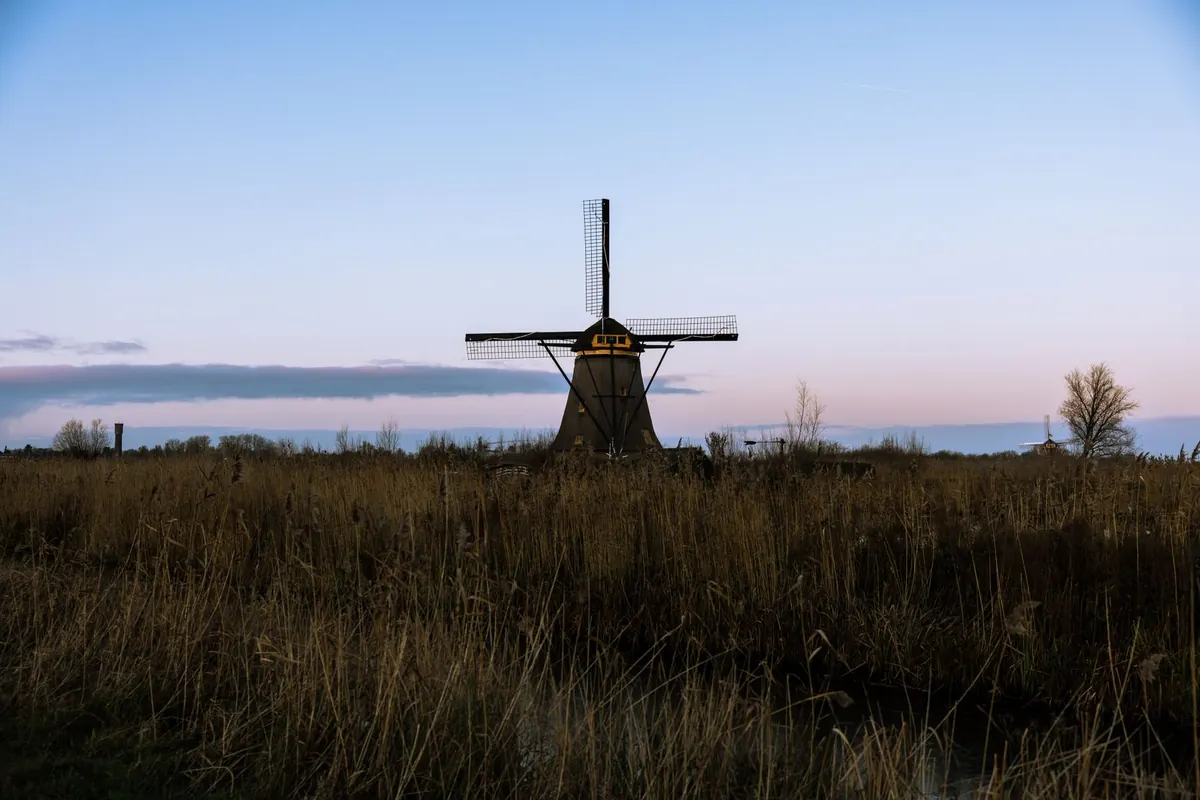
Cycling the Fens: Comparing Three Scenic Routes
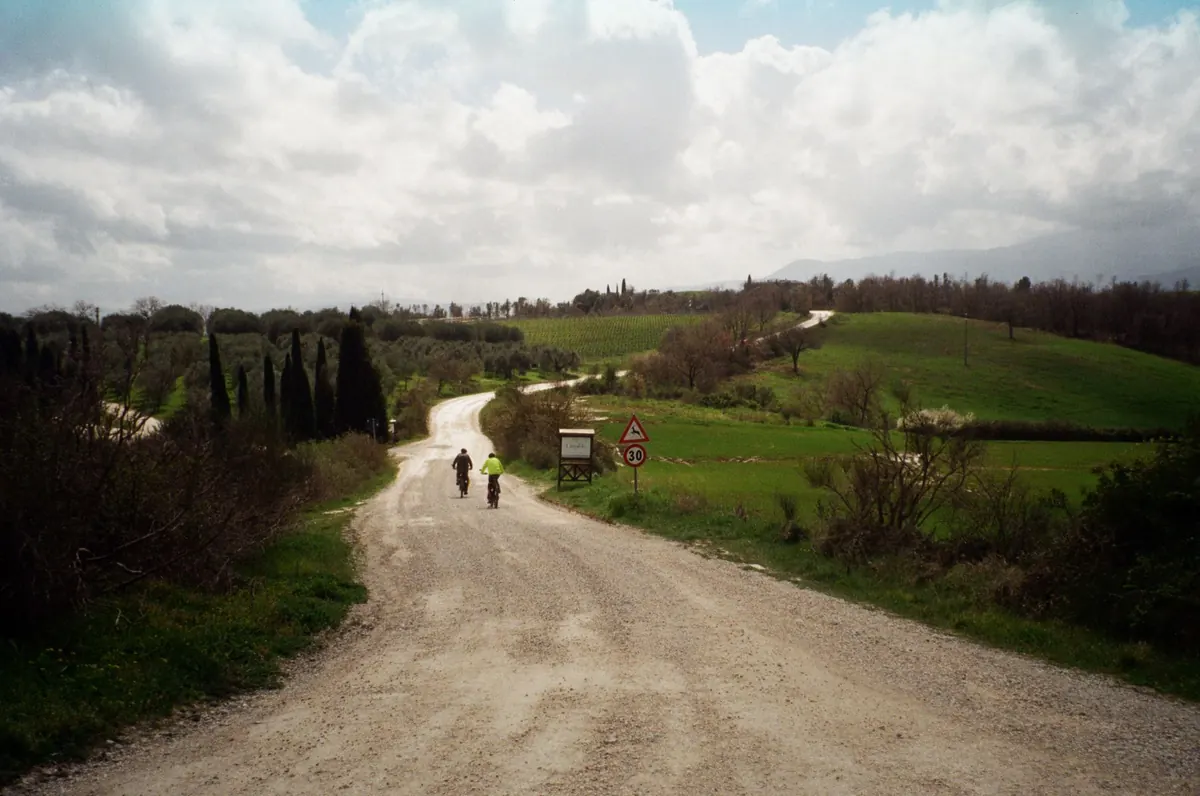
The Fens look flat on a map, and they are. That is the appeal and the catch. A steady headwind across an exposed drove can make twenty miles feel like forty, while a smooth riverside track can quietly carry you ten miles further than you intended. Choosing a route is mostly about matching the day you have to the day the landscape is willing to give you.
These three rides cover the usual fenland range: a long riverside run, a short one-way trip between Ely and Cambridge, and a circular route that keeps town and cake within reach. Here is how they compare.
I judge a fenland route on five things, and the fifth is the one that catches people out.
Wind, not gradient, decides how hard the Fens feel. Every route below is flat in the technical sense. None of them is flat in the emotional sense when the wind is up.
Roughly thirty miles along the River Witham, laid on a former railway line and now part of National Cycle Route 1. It runs almost traffic-free from the edge of Lincoln to the outskirts of Boston, and the surface is a mix of tarmac and compacted stone that holds up well in dry weather.
Wide skies, drainage channels, willow and reed. The river stays with you for most of the way, and there are sculptures and viewpoints at intervals. Near the end, Boston's church tower appears on the horizon long before you reach it, which is a useful landmark when your legs are tiring.
Villages along the route, including Bardney and the cluster around Kirkstead, offer pubs and small cafés, though opening hours can be limited outside summer weekends. There are no reliable water taps on the stretches between them, so carry what you need. Trains run between Lincoln and Boston, which makes a one-way ride possible if you check bike space in advance.
This is the route for a full day and a reasonable level of fitness. It is also exposed, so on a windy day you may spend the whole ride leaning.
About seventeen miles, and the easiest of the three to fit into a half day. Quiet lanes lead out of Ely before the route settles alongside the River Cam and the old railway alignment through Waterbeach. Flat, generally well surfaced, and reachable by train at both ends.
The scenery is gentler and busier than the Witham: moorings, houseboats, narrowboats by the locks, and the cathedral shrinking behind you as you head south. Expect walkers, anglers and loose dogs on the shared riverside sections. Slow down, say hello and pass wide. A bell helps more than a shout.
Cafés and pubs in Waterbeach, Milton and Cambridge, plus toilets at Milton Country Park. The main drawback is popularity. On a sunny Sunday the towpath sections get crowded, and the trains home fill up with bikes.
A signed circular route of roughly twenty-five miles around Peterborough's edges, threading through Nene Park, past the lakes left by old gravel workings, and out towards the Flag Fen area. Because it is a loop, you finish where you started. No train timetables, no car shuttle.
Surfaces vary more than on the other two. Expect tarmac cycleways and good gravel in the park, and rougher, muddier farm track in places after rain. Signage is generally reliable but patchy at a few junctions, so take a map or an offline route on your phone.
Facilities are the best of the three. Ferry Meadows has cafés, toilets and bike hire, and the Nene Valley Railway gives children something to look at when they have had enough of pedalling. The route also has plenty of short cuts back into the city if the day goes wrong.
Check the wind forecast, not just the rain radar, and where you can, ride out into the headwind and home with it behind you. Fit the widest tyres your bike accepts and run them a little softer than usual if you are heading onto gravel. Carry more water than the map suggests, plus a spare tube, pump and multi-tool. Fen lanes are full of thorns and few of them have a shop.
If you plan to rely on a train for the return leg, check the timetable and the bike policy for that specific service beforehand; some of the smaller stations see short trains with limited space. Pack sun cream and a light long-sleeved layer, because there is almost no shade on any of these routes. Take gates and cattle grids slowly, and give the unfenced edges of dykes and drains a wide berth, especially after rain.
If you have not ridden this far in a while, or you have a heart, lung or joint condition, build up over a few shorter rides first, and speak to your GP if you are unsure whether a longer day is sensible for you.
Photo: Natia Goglidze / Pexels
Previous Post
How to Spot Fenland Wildlife Throughout the Year
Next Post
How to Join a Fenland Community Group: A Step-by-Step Guide