Fenland Seasonal Food Calendar: What to Buy and When
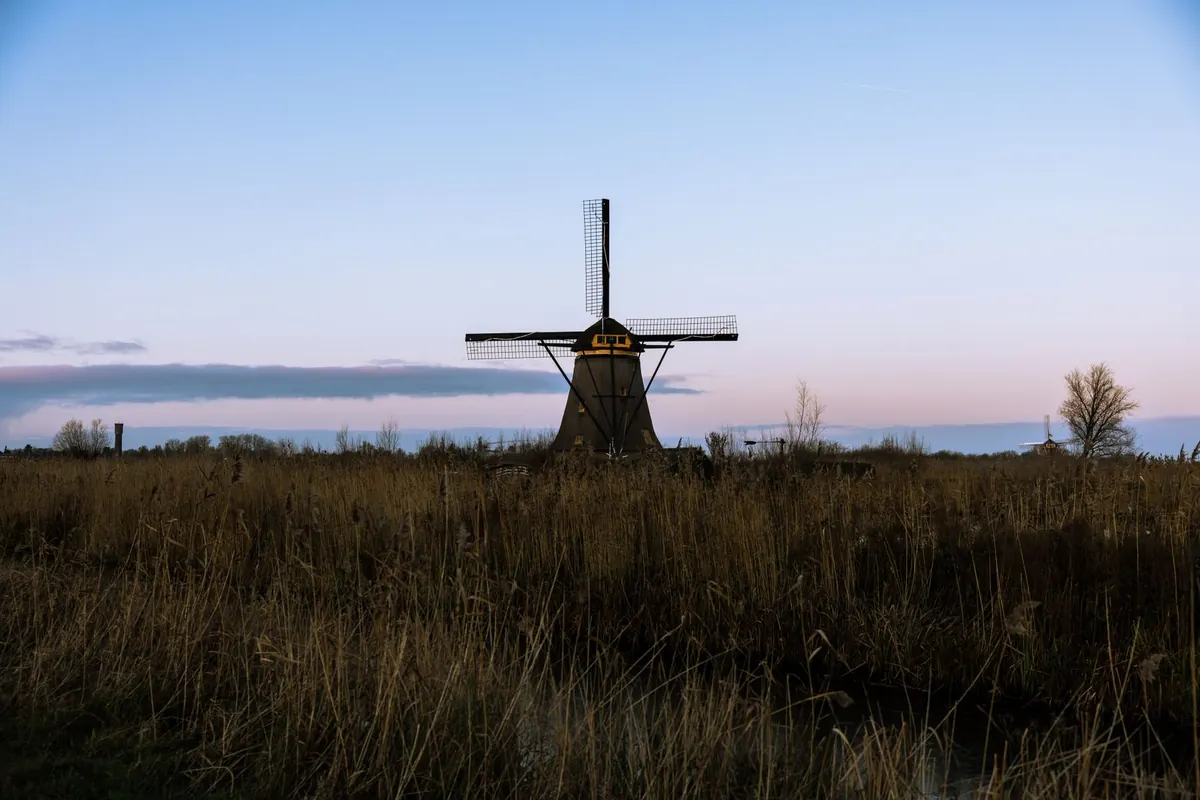
The Fens grow an astonishing share of the country's food. That black peat soil, drained centuries ago and worked ever since, still turns out potatoes, sugar beet, wheat, onions, salads and some of the finest asparagus in Britain. Much of it leaves the region on lorries before anyone local gets a look in. The trick is to shop where the growers sell, and to know what is genuinely ready each month. What follows is a working calendar: not a rulebook, more a rough map of what to look for, and where to find it, from January to December.
Not much is growing, and that is the point. What you buy now has been stored, grown under cover, or lifted through the cold: parsnips, leeks, celeriac, swede, kale, January King cabbage, sprouts that have taken a frost and taste sweeter for it. Stored onions and maincrop potatoes are at their best, having had time to develop flavour and hold together in a roaster.
This is also the month to eat down the pantry. Seville oranges arrive for marmalade in January, and the last of the frozen damsons and puréed pumpkin should go before anything new turns up.
The Fens' signature crop is asparagus, and the traditional season runs from St George's Day on 23 April to midsummer on 21 June. Spears sold outside those dates have almost certainly flown in from Peru. Buy them in bundles, eat them within a day or two, and don't peel unless the ends are woody — snap each spear where it breaks naturally and discard the tough base.
Other arrivals: radishes with their tops still on, spring onions, salad leaves, spinach and new potatoes. Wild garlic carpets woodland edges along the fen margins from late March into May. Pick from the middle of a patch rather than the edge, and only where you have permission — verges and woods usually belong to somebody.
Early lamb appears in butchers' windows, and by the last fortnight of May the first strawberries are coming off the polytunnels.
This is the glut. Strawberries first, then raspberries, gooseberries, broad beans and peas. Fenland pea growers work through the night in June, and bags of freshly vined peas sometimes turn up at farm gates for a fraction of supermarket prices. If you see them, buy them and freeze them the same day; they will beat anything a shop can sell you.
Marsh samphire comes off the Wash coast from June into August. It is succulent, salty and glassy, best steamed for two minutes and eaten with butter and bread. Rinse it well, strip out the woody stems, and don't add salt to the pan.
Also worth watching for: courgettes, cucumbers, beetroot, early cherries, elderflower for cordial, and the first apricots from wall-trained trees.
Strawberry farms across the Fens open their gates from early June. Go early in the morning, pick into shallow trays so the fruit doesn't crush itself, and don't wash anything until you're ready to eat it. A punnet left in a warm car will turn to jam on the drive home.
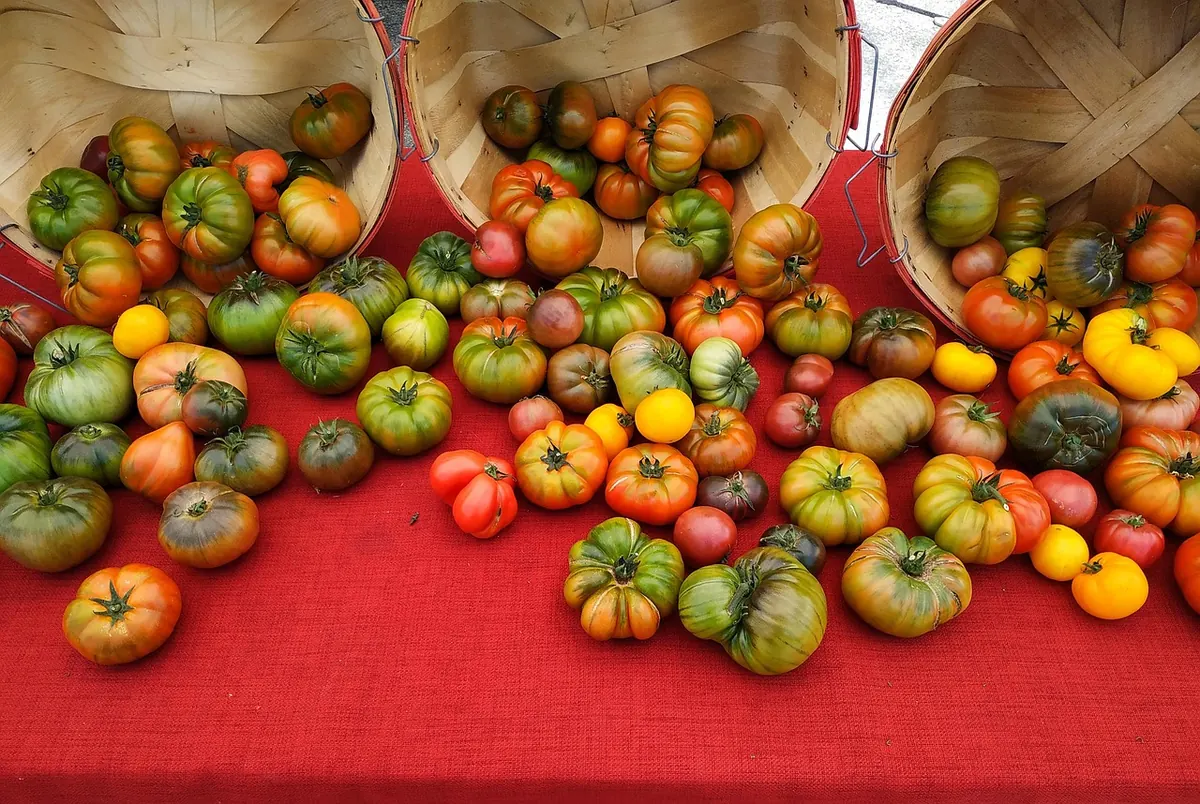
Combines move through the wheat and barley in August and the sugar beet tops start to show. Anything that needs a long summer to ripen arrives now: sweetcorn, ideally eaten within hours of picking; tomatoes at full flavour; runner beans; marrows; onions lifted and laid out to dry; garlic; early apples.
Hedgerow fruit follows. Blackberries from late August, then damsons, plums and elderberries in September, with cobnuts and the first windfalls. If you forage, be certain of what you have identified, leave plenty for the birds, and ask the landowner first.
The shooting season opens in stages — grouse on 12 August, partridge from 1 September, pheasant from 1 October. Local game is lean, affordable and quick to cook.
Pumpkins and squash pile up outside farm shops in October. Choose one that feels heavy and has a dry, intact stem; it will keep for weeks in a cool room. Sugar beet harvest runs deep into winter and the roads fill with tractors and trailers, so allow extra time and don't overtake on a blind bend.
Roots come into their own now: carrots, parsnips, celeriac, swedes, beetroot, plus leeks and the brassicas that stand through the cold. Sloes are ready after the first hard frost, and gin takes a couple of months to steep. If you want a goose or a turkey for Christmas, order it from a butcher or farm shop in early December rather than the week before.
The region is unusually well served by weekly markets, farm shops and stalls that appear at the end of a driveway with an honesty tin. A few habits make the difference between a good trip and a wasted one.
Weather shifts everything by a fortnight, sometimes more. A cold spring delays the asparagus; a wet August splits the tomatoes. Treat the months above as a direction of travel rather than a timetable, and trust the local knowledge you build over the charts.
Keep a note in the back of a diary: the week the first asparagus arrived, where you bought it, what you did with it. Two years of that and you will have a calendar of your own — more accurate than this one, because it will be about your patch of the Fens, your market and your kitchen.
Photo: Madhulika_Rawal / Pixabay
Previous Post
A Beginner's Guide to Fenland Market Towns: Wisbech, March, and Chatteris
Next Post
Buying a House in the Fens: 7 Checks for Flood Risk and Drainage